Brush Signature: Crafting Authentic Brand Narratives
In a digital landscape saturated with clean, geometric sans serif fonts, there is a growing hunger for authenticity. We see it in the resurgence of film photography, the appreciation for artisanal goods, and the desire for branding that feels personal rather than corporate. This is where typography plays a pivotal role, and specifically, where a premium font like Brush Signature finds its purpose. It is not merely a collection of letters; it is a design asset that injects humanity, warmth, and a distinct personality into any project it touches.
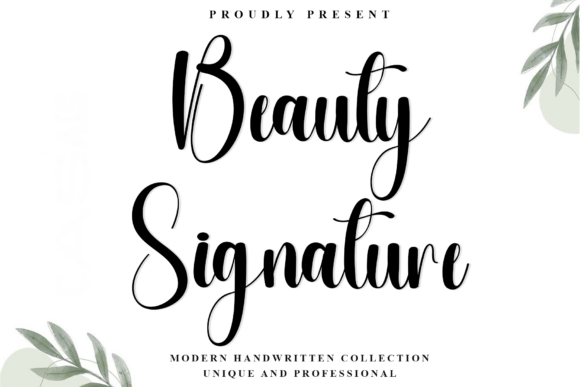
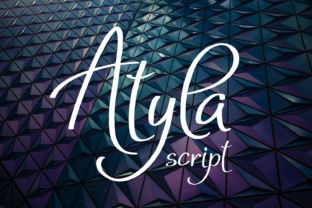
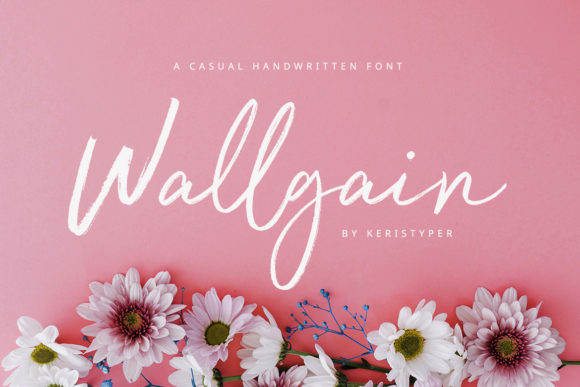
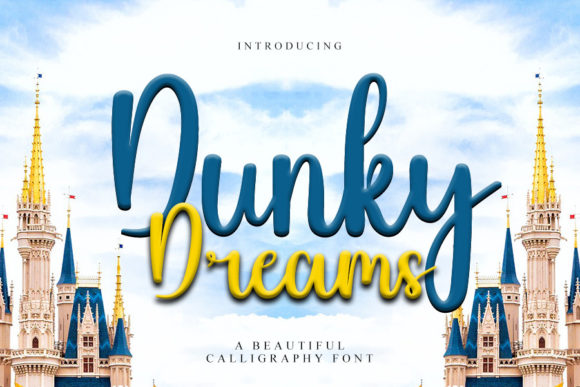
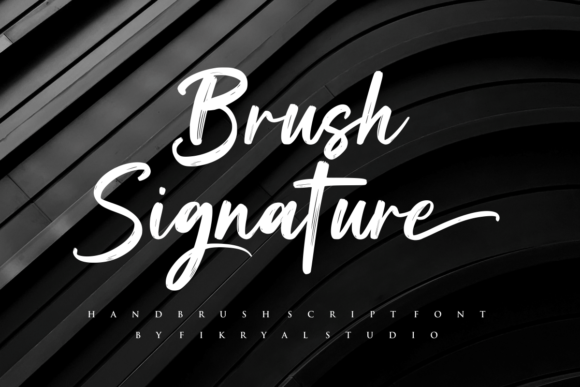
At its core, Brush Signature is a delicate, cursive handwritten font. Its visual characteristics are defined by fluid, natural strokes that mimic the movement of a brush pen on paper. Unlike rigid, predictable typefaces, its letterforms have a gentle, organic flow. The connections between characters are thoughtful, creating a seamless script that feels both personal and polished. This font possesses a quiet confidence—it is elegant without being overly formal, and expressive without becoming illegible. Its overall appeal lies in its versatility; it can feel intimate and personal for a wedding invitation, or sophisticated and curated for a luxury brand's logo.
Strategic Applications for the Modern Creator
Understanding where a font excels is key to using it effectively. Brush Signature is a true creative font, adaptable across a surprising range of applications. For entrepreneurs and small business owners, it becomes a powerful tool for brand identity. Imagine it as the primary wordmark for a boutique skincare line, a freelance photographer's signature, or the header font for a high-end café menu. Its handwritten nature instantly communicates craftsmanship and a personal touch, helping a brand stand out from competitors using more generic typefaces.
For designers and marketers, this script font is invaluable for creating visual hierarchy and emotional resonance. In editorial design, a pull quote set in Brush Signature can break up a page of body text in a serif font or sans serif font, drawing the reader's eye and adding a moment of visual interest. In packaging design, it can highlight a product's key feature or a special ingredient, making the package feel more bespoke. The font's PUA encoding is a practical blessing here, granting access to a full suite of glyphs and swashes. This allows for the creation of custom ligatures and decorative elements, enabling a designer to craft truly unique letterforms for a logo or headline, ensuring the final design is one-of-a-kind.
Influence on Perception and Engagement
The choice of a display font like Brush Signature has a direct impact on how an audience perceives a message. Typography is a silent ambassador for a brand's values. A delicate, handwritten font suggests approachability, creativity, and attention to detail. It can make a brand feel more human and less institutional. This perception is crucial for building trust and connection, particularly for businesses in the lifestyle, wellness, creative, and luxury sectors. When used consistently across web design, social media graphics, and printed materials, it becomes a recognizable element of the brand's visual language, strengthening brand recognition.
However, this influence must be balanced with practical considerations, most notably readability. While Brush Signature is crafted for clarity, its nature as a handwritten font means it is best suited for specific roles. It is a hero font for headlines, logos, short phrases, and call-outs. Attempting to set a long paragraph or body copy in such a font would quickly lead to reader fatigue. The key is to use it strategically to create emphasis and inject personality, then pair it with a highly legible body font. A classic font pairing might be Brush Signature with a clean, geometric sans serif for modern projects, or with a traditional serif for a more timeless, editorial feel. This contrast ensures the handwritten element stands out for its beauty without compromising the overall clarity of the design.
A Practical Guide to Implementation
Choosing a commercial font is an investment, and evaluating its fit for your project is a critical step. Start by considering your brand's personality. Does the elegant, flowing nature of Brush Signature align with your voice? Look at its full character set. Does it include the punctuation, numerals, and special characters you need? Reviewing the available styles, such as italic or bold variations, is also important for creating a flexible typographic system.
Once selected, practical testing is non-negotiable. Create mockups of your key applications—a website header, a business card, a social media post. See how the font performs at different sizes and against various backgrounds. Does it remain legible at a small scale on a mobile screen? Does it have enough presence to hold its own in a large print format? This hands-on evaluation prevents costly mistakes and ensures the font will perform reliably across all your design assets.
Finally, understanding the licensing is part of professional practice. As a premium font, Brush Signature comes with a commercial license that outlines its permitted uses. This typically covers everything from digital ads and websites to printed merchandise and corporate branding. Adhering to these terms is essential for legal compliance and supports the talented type designers who create these valuable tools for the creative community.
In the end, Brush Signature is more than just a modern typography