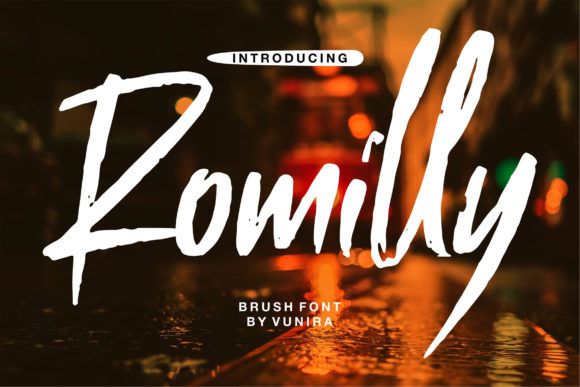
Romilly: A Handwritten Font with Effortless Flow
In a world saturated with rigid digital interfaces, the human touch in design has never been more valuable. We crave authenticity, warmth, and a sense of personal connection. This is where the right typeface does more than just present words—it establishes a feeling. Romilly is a prime example of a creative font that bridges the gap between professional polish and genuine, approachable character. It’s not just a collection of letters; it’s a design asset that brings a relaxed, flowing, and distinctly human voice to your projects.
Understanding the Romilly Typeface: More Than Just Handwriting
At its core, Romilly is a handwritten font, but that description only scratches the surface. Its defining quality is a sense of effortless movement. The letters flow into one another with a natural, brushed texture that feels organic and authentic. Unlike many script fonts that can appear overly formal or rigid, Romilly’s character shapes are uniquely crafted to feel both personal and legible. This isn't a hurried scrawl or a calligraphic flourish; it's the confident, relaxed hand of someone comfortable with their own style.
The visual personality of Romilly is one of quiet confidence and approachable elegance. It avoids the extremes of being too casual for professional use or too stiff for personal projects. This balance makes it an incredibly versatile premium font. The slightly imperfect edges and variable stroke widths inherent in its design give it a tactile quality, as if it were written with a soft marker or a worn brush pen. This subtle texture adds depth and prevents it from looking flat or overly digital, which is a common pitfall for lesser-quality typefaces.
Where Romilly Truly Shines: Practical Applications
The true test of any creative font is its real-world application. Romilly’s strength lies in its ability to adapt to a project’s needs without losing its core identity. It’s a workhorse with personality, suitable for a surprising range of contexts.
For Branding and Logo Design
When building a brand identity, the typeface you choose for your logo sets the entire tone. Romilly excels here for brands that want to appear approachable, creative, and human-centric. Think boutique bakeries, artisanal goods, wellness coaches, personal blogs, or lifestyle brands. It communicates care, craftsmanship, and a personal touch. Paired with a clean sans serif font for body text, Romilly creates a beautiful contrast that is both professional and inviting. The key is to use it for headlines or the logotype itself, where its unique letterforms can be fully appreciated at a larger scale.
In Marketing and Social Media Graphics
On social media feeds crowded with generic text, Romilly helps your content stand out. It’s perfect for creating engaging quote graphics, promotional announcements, or story highlights that feel personal and direct. For social media graphics, its readability at various sizes is a major advantage. You can use it for a main headline without worrying about it becoming illegible on a mobile screen. It adds a layer of warmth and personality to digital ads, email headers, and newsletter designs, helping to build a stronger connection with your audience.
Packaging and Editorial Design
In packaging design, Romilly can elevate a product from a mere commodity to a crafted experience. It works beautifully on labels for gourmet foods, cosmetics, candles, or stationery. The font’s organic feel suggests natural ingredients and thoughtful production. Similarly, in editorial design—for magazines, lookbooks, or blog post graphics—it can be used for pull quotes, section headers, or feature titles to break up dense blocks of text and add visual interest. It guides the reader’s eye and introduces a moment of stylistic pause.
Integrating Romilly into Your Design Workflow
Choosing a font is only the first step. Using it effectively requires a bit of strategic thinking. Here’s how to integrate Romilly into your projects for maximum impact.
- Evaluate the Project Fit: Before you commit, ask yourself: does this project need a human touch? Romilly is ideal for conveying warmth, creativity, and approachability. It might not be the best fit for a corporate law firm’s annual report, but it’s perfect for a freelance photographer’s portfolio or a community workshop’s promotional flyer.
- Master the Font Pairing: A font pairing is where Romilly truly comes to life. Because it’s a display-focused handwritten font, it needs a grounded partner. A simple, geometric sans serif font like Lato, Montserrat, or Open Sans makes an excellent companion for body text. This contrast ensures readability while allowing Romilly’s character to shine. For a more classic look, pairing it with a sturdy, readable serif font like Merriweather or Lora can also work well, creating a sophisticated yet personal feel.
- Consider Readability and Hierarchy: Use Romilly to establish a clear visual hierarchy. Reserve it for headings, subheadings, short quotes, or call-to-action phrases. Avoid setting long paragraphs of body copy in it, as its flowing style can reduce reading speed in large blocks. Its strength is in headlines where its personality can be absorbed at a glance.
- Check the Styles and Licensing: A good commercial font often comes with multiple styles. Check if Romilly includes alternate characters, ligatures, or stylistic sets. These features allow you to customize words and avoid repetitive letter shapes, giving your designs a more authentic, hand-lettered feel. Always ensure the license covers your intended use, whether for personal projects, client work, or commercial products.
Romilly is more than just a display font; it’s a tool for storytelling. Its carefully crafted imperfections and fluid rhythm allow you to inject a dose of humanity into any design. By understanding its personality and applying it thoughtfully, you can create work that doesn’t just look good, but feels genuine and connects on a deeper level. In the end, the most effective design is that which resonates, and Romilly provides a direct path to that resonance.